
How Interior Painters Prepare Your Home for a Flawless Finish
The secret behind a breathtaking, magazine-ready room transformation isn't just the final coat of paint or the color swatch you select—it is the meticulous, structured labor that occurs long before a single brush or roller touches the wall surface. Many homeowners assume that achieving velvety walls, seamless trim transitions, and razor-sharp lines is simply a matter of purchasing high-grade architectural paint and rolling it on evenly over existing coats. However, skimping on initial surface preparation invariably leads to unsightly flaking, uneven textures, persistent flashing, and premature wear that requires costly corrective work. By treating preparation as a specialized craft rather than a rushed preliminary task, qualified trade specialists guarantee that your new paint binds securely, withstands everyday residential wear and tear, and retains its vibrant color depth for many years to come.
Room Assessment
A top-tier interior painting project always begins with a comprehensive structural and surface evaluation of the targeted living space. Before moving heavy furniture items, unsealing primer cans, or unrolling protective drop cloths, crew leaders conduct a detailed walkthrough to analyze wall conditions, ambient lighting angles, structural movement patterns, and high-traffic zones throughout the space. During this crucial diagnostic phase, technicians search for subtle hairline cracks along stress points, hairline fractures around window and door casings, historical water staining, sagging tape seams on drywall, and residual oils from daily living.
Beyond evaluating immediate physical damage, trade professionals also factor in the overall maintenance timeline and structural lifecycle of the residential property. According to home maintenance insights highlighted by Better Homes and Gardens, it is good practice to repaint your home interior every five to 10 years to preserve underlying wallboards, protect structural substrates, and maintain modern aesthetic appeal. Professional interior painters use this initial evaluation stage to formulate a tailored, site-specific surface remediation strategy that addresses the unique age, architectural features, and material composition of your home.
Surface Preparation
Once the diagnostic assessment is complete, intensive physical surface correction commences across every square foot of the room. Paint requires a completely clean, chemically stable, and physically sound substrate in order to form a strong molecular bond with the wallboard or plaster. In high-use spaces such as kitchens, dining areas, and bathrooms, trade specialists utilize specialized industrial degreasers and citrus-based cleaners to eliminate invisible grease films, cooking residues, soap scum, and everyday oils that would otherwise cause coat peeling or uneven coverage.
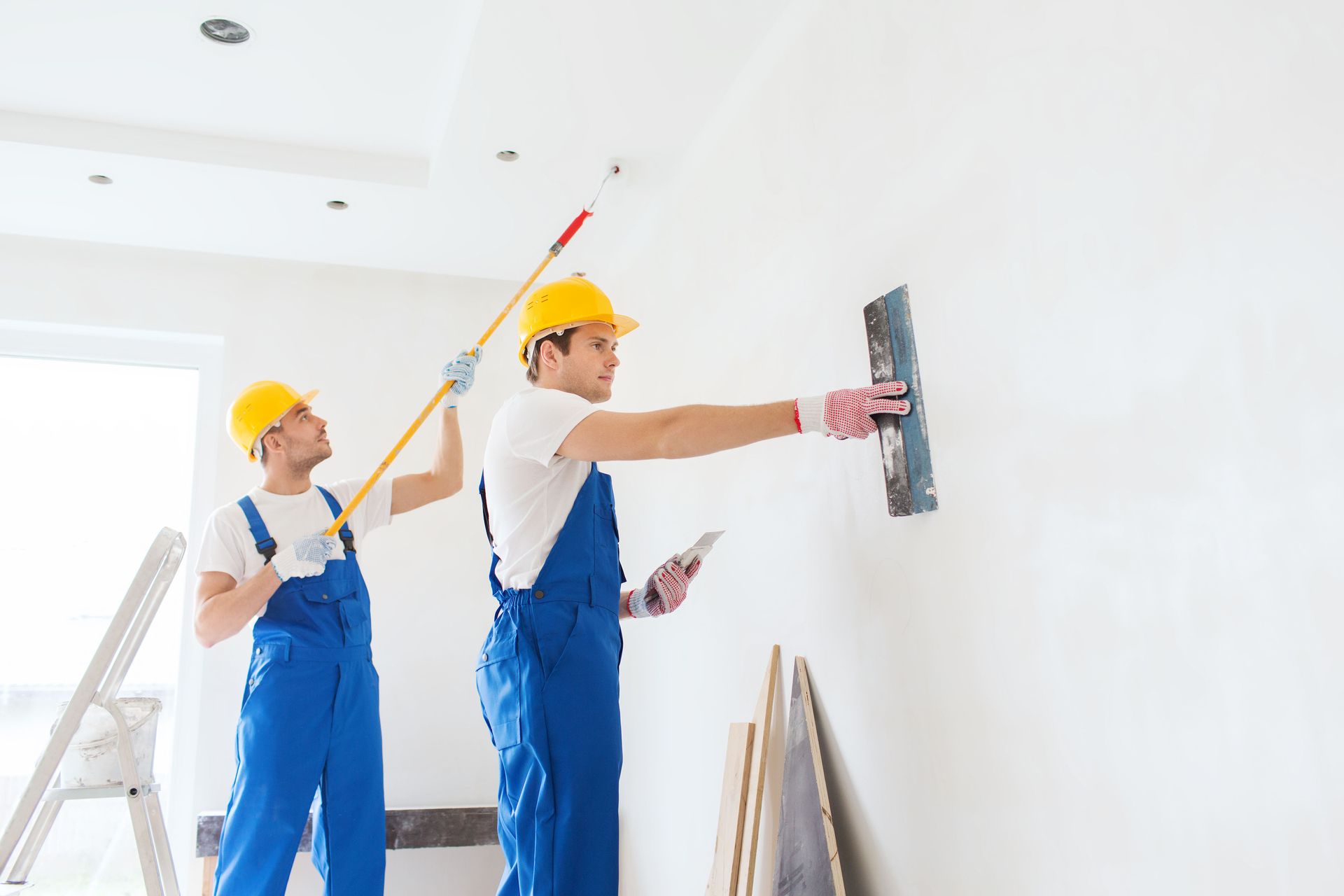
Following deep cleaning, technicians perform methodical scraping to remove loose, flaking, or unstable historical paint layers, followed by multi-stage sanding to feather out hard edges across the wall plane. Nail pops, deep wall gouges, furniture scuffs, and structural cracks are opened up, cleared of debris, filled with high-performance joint compounds or lightweight spackling formulations, and left to cure completely before being sanded smooth. To safeguard your living space and preserve healthy indoor air quality throughout this intensive process, modern interior painters utilize commercial-grade, dust-extraction sanding equipment featuring HEPA filtration systems that trap airborne drywall particulates directly at the source.
Moisture Management
Identifying and controlling ambient humidity and hidden substrate moisture is a vital component of preparation that directly prevents costly coating failures down the road. Trapped moisture located behind fresh paint layers invariably leads to unsightly bubbling, blistering, adhesion loss, and dark fungal growth within months of project completion. Experienced painting crews use specialized pinless moisture meters to measure wood trim and drywall moisture saturation levels in prone areas such as bathrooms, basements, laundry rooms, and coastal property interiors prior to applying any liquid coatings.
If active mold spores or mildew patches are uncovered during cleaning, they are chemically neutralized with specialized anti-fungal treatments rather than temporarily masked beneath fresh paint. Furthermore, old water damage marks, tannin bleed from wood trim, and rust spots around nail heads are sealed using heavy-duty shellac- or oil-based stain-blocking formulations that prevent discoloration from migrating into the fresh topcoat. Knowledgeable interior painters dedicate substantial effort to neutralizing ambient and structural moisture issues during prep, giving homeowners full confidence that their investment remains thoroughly protected against environment-driven deterioration.
Property Protection
Safeguard procedures for your personal belongings, architectural woodwork, and flooring substrates are executed with the same precision as the wall repairs themselves. Before any dry sanding, patching, or chemical washing begins, large furniture items are carefully relocated to the central floor space of the room and completely encapsulated in heavy-duty, anti-static polyethylene sheeting to prevent dust settlement. Soft carpets, finished hardwoods, natural stone, and luxury vinyl plank floors are fully covered using thick, non-slip canvas drop cloths or heavy-duty rosin paper taped securely along the perimeter, avoiding the use of thin, slippery plastic sheets that tear easily under foot traffic.
Precision painter’s tape is then systematically applied along baseboards, window casings, door frames, crown moldings, built-in cabinetry, and electrical fixtures to establish crisp boundaries and block paint bleed. Respectful interior painters take pride in maintaining a strictly controlled, highly organized workspace, keeping tools neatly staged in designated areas and keeping your home safe and habitable throughout the project duration.
Primer Application
Applying high-performance primers serves as the ultimate bridge between raw, repaired structural substrates and your selected decorative topcoat color. A dedicated primer coat seals porous, newly patched drywall areas, balances variable surface absorption rates across the wall, locks in lingering household odors, and creates a uniform foundation that ensures finish paints absorb evenly without flat spots or sheen variations. When transitioning a room from dark, saturated colors to lighter shades, or when introducing vibrant accent colors like rich crimson or navy, technicians custom-tint the primer toward the target wall shade to maximize color opacity and reduce the total number of topcoats required.
Matching the precise primer formulation—whether water-based acrylic, high-solids alkyd, or fast-drying stain-blocking shellac—to the specific wall substrate prevents premature flaking and chemical incompatibility. Skilled interior painters rely heavily on specialized primers to guarantee rich color fidelity, velvety smooth texture, and long-term film durability across every room.
Quality Verification
Before unsealing the first container of premium topcoat paint, site supervisors and lead craftspeople perform a detailed, multi-angle quality assurance inspection across all prepped surfaces. Utilizing high-intensity, mobile LED task lighting positioned parallel to the wall surfaces—a rigorous industrial testing method known as raking light inspection—technicians expose micro-imperfections, faint sanding scratch marks, tiny pinholes, and uneven patch transitions that remain invisible under standard overhead ambient light.
Any subtle defects uncovered during this lighting audit are immediately re-spackled, fine-sanded with ultra-fine abrasive sponges, wiped clean, and re-primed. Crew members also perform tactile hand checks, gliding their hands across repaired wall seams, corners, and window perimeters to verify that patched areas feel completely flush and continuous with surrounding drywall. Dedicated interior painters view this uncompromising quality audit as an indispensable step toward achieving the flawless finish homeowners expect.
Achieving a truly flawless, magazine-quality paint finish in your home is never a matter of luck or quick application; it is the direct result of systematic cleaning, surface repair, moisture abatement, comprehensive masking, and specialized priming executed by disciplined trade specialists. Taking the necessary time to carry out each preparation phase with care transforms everyday living spaces into stunning, durable environments that maintain their original beauty for years. By choosing to partner with experienced
interior painters, you safeguard your property's interior substrates, elevate your home's aesthetic appeal, and enjoy a clean, stress-free renovation experience from start to finish.
Ready to transform your living spaces with a seamless, professional finish? Contact the expert team at Mark Tirondola Jr. Painting Contractor LLC today to schedule your complimentary color and surface assessment consultation. Let us take the hassle out of home improvement and give your walls the flawless makeover they deserve!
Share On: