
How Painting Contractors Ensure Quality and Durability in Every Job
A quality paint job involves much more than choosing an attractive color and applying it to a wall. Preparation, materials, application methods, and finishing details all influence how well the finished surface looks and how long it remains in good condition. Professional painting contractors approach each project with attention to every stage.
Durability also depends on understanding the surface and the environment where paint will be applied. Exterior walls, interior rooms, trim, doors, and other surfaces can have different requirements. A professional approach helps ensure the selected products and techniques are appropriate for the job, creating a finish that looks polished while providing lasting protection.
Assess The Surfaces Before Painting
Before paint is applied, a thorough assessment helps identify conditions that could interfere with the finished result. Professionals look for peeling paint, cracks, holes, moisture damage, stains, uneven areas, and other imperfections. Identifying these concerns early allows them to address the surface instead of simply covering visible problems.
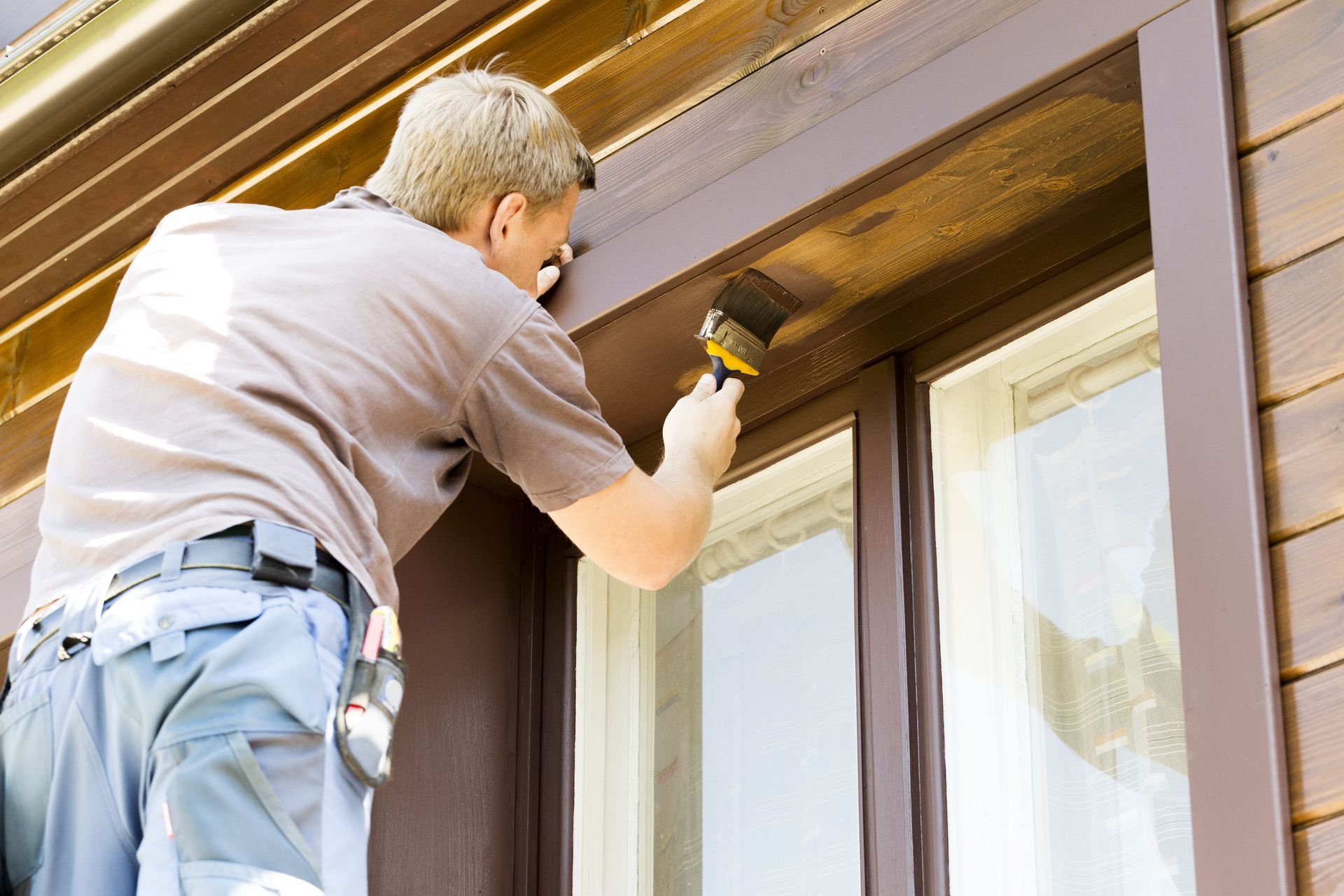
Surface assessment is especially important for exterior projects because outdoor materials are exposed to changing weather conditions. Painting contractors can consider the material being painted, its current condition, and the surrounding environment when determining how the project should be approached. This creates a stronger foundation for the finished coating.
Prepare The Surface Thoroughly
Proper preparation is one of the most important parts of achieving a durable finish. Depending on the surface, preparation may involve cleaning, sanding, scraping, patching, caulking, or removing loose material. These steps can help paint adhere more effectively and produce a smoother appearance once the work is complete.
Skipping preparation can create problems even when high-quality paint is used. Dirt, dust, grease, peeling coatings, and uneven surfaces can prevent proper adhesion or make imperfections more noticeable. Professional painting contractors understand that time spent preparing the surface can significantly influence the appearance and longevity of the finished project.
Preparation can also involve protecting areas that are not being painted. Floors, furniture, fixtures, landscaping, and windows may require careful covering or masking.
Select The Right Paint And Materials
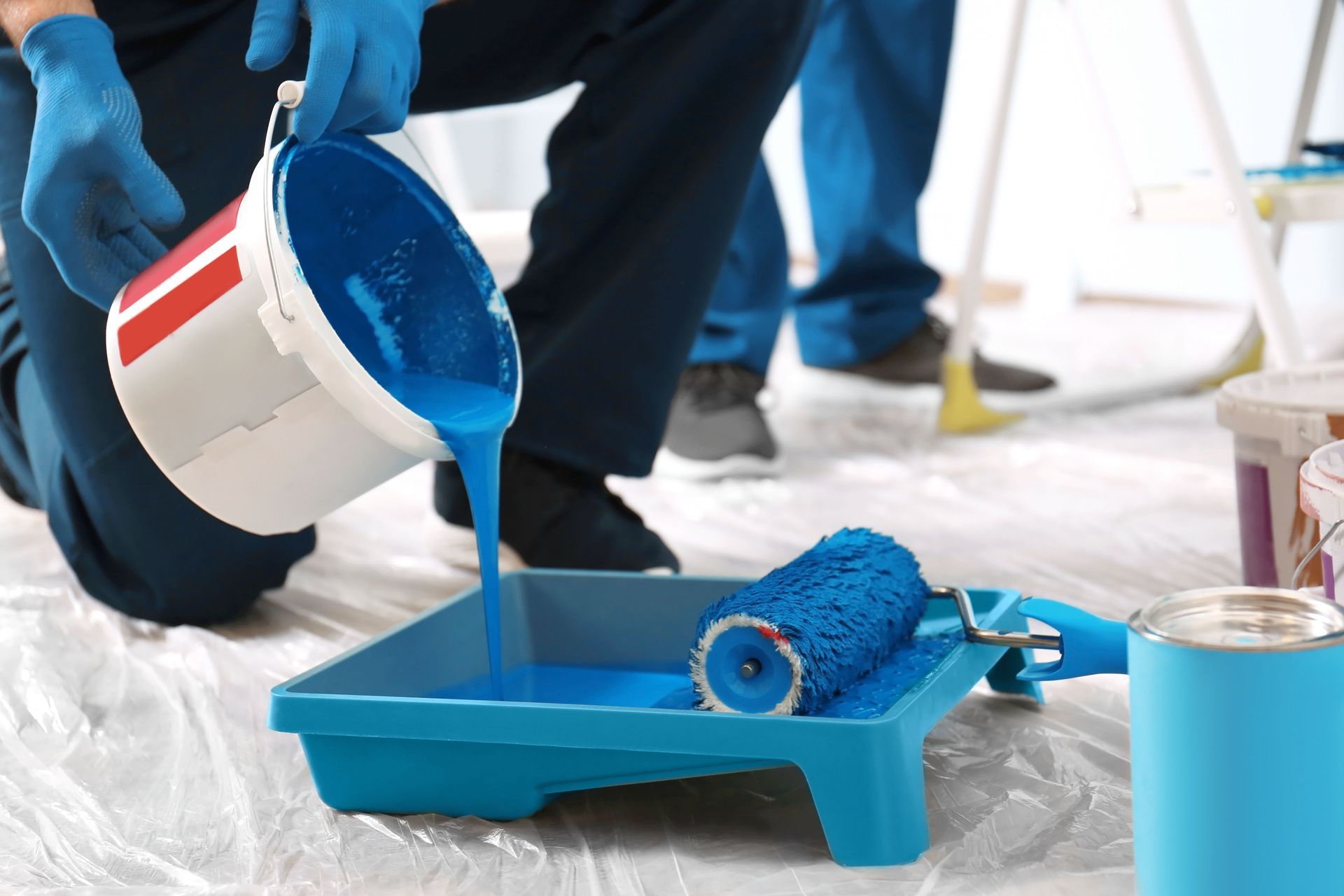
Paint products are not interchangeable across every project. Different surfaces and environments may call for different types of coatings, finishes, primers, and application materials. Interior walls may have different needs than exterior siding, while kitchens, bathrooms, trim, and high-traffic spaces can each require thoughtful product selection.
Professional painting contractors consider the intended use of the space and the characteristics of the surface before selecting materials. They can also account for the existing finish and the level of wear the area is likely to experience. The right product can contribute to better coverage, adhesion, resistance, and overall appearance.
Primer can also serve an important purpose when preparing certain surfaces. It may help create a more consistent base, improve adhesion, cover certain stains, or support the appearance of the final color. Whether primer is necessary depends on the surface and project conditions.
Apply Paint With Consistent Techniques
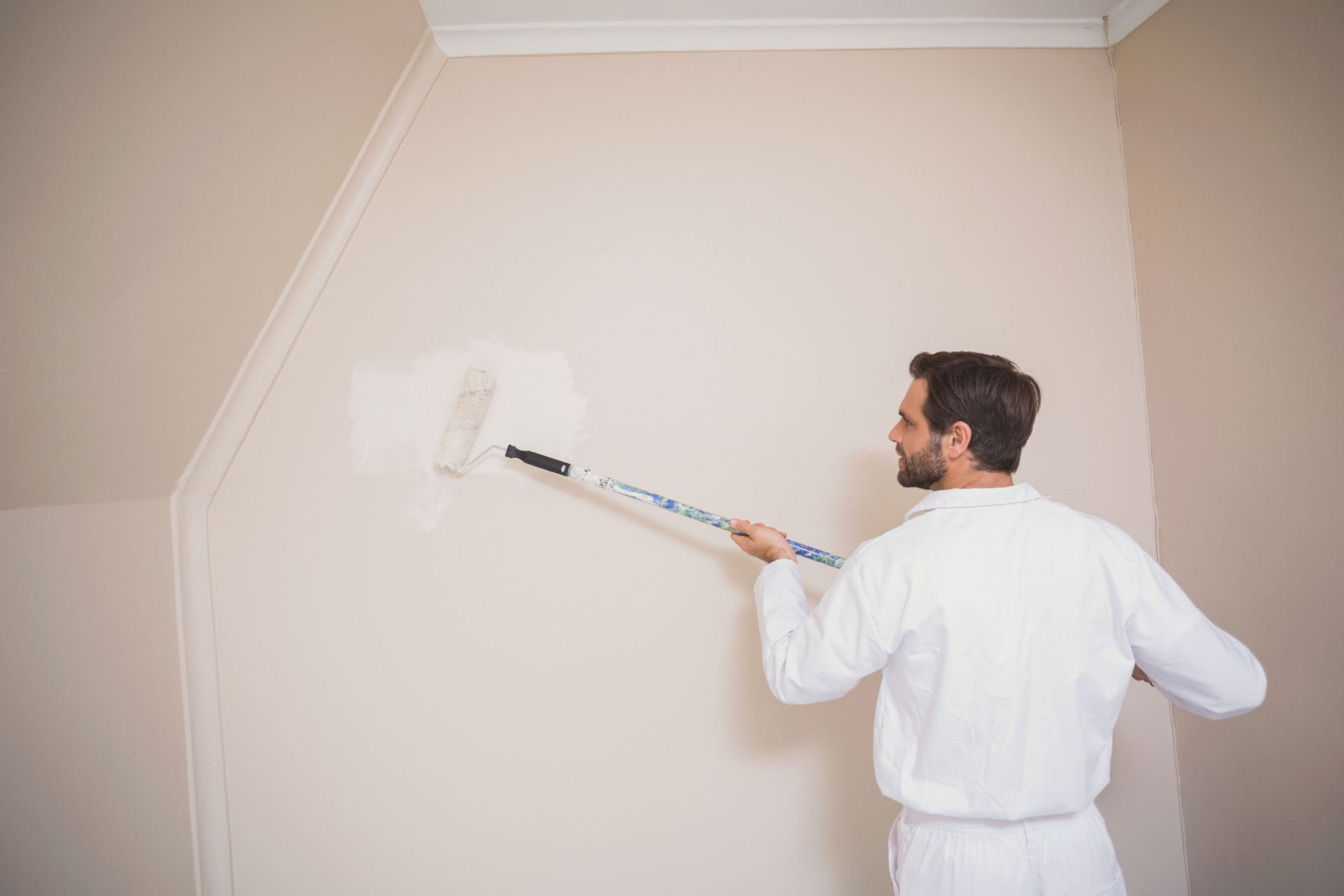
Application technique has a direct effect on the appearance of a finished paint job. Uneven coverage, visible brush marks, roller lines, drips, and inconsistent edges can make quality materials look less polished. Professional application requires attention to how much product is used and how it is distributed across the surface.
Painting contractors use techniques suited to the surface and coating being applied. Brushes, rollers, sprayers, and other tools each have advantages depending on the project. Using the appropriate method can help achieve consistent coverage while reducing visible imperfections.
Consistency also matters when working across larger surfaces. Maintaining an even application helps prevent noticeable differences in texture or sheen. Careful attention around corners, edges, trim, doors, and windows can further improve the finished appearance.
The way an applicator moves across a surface can affect how the finished coating looks once it dries. Professionals work methodically to maintain consistency and avoid creating obvious transitions between areas.
Allow Proper Drying And Curing
A paint job does not necessarily reach its full performance immediately after the final application. Drying and curing conditions can affect how the coating develops and how well it performs over time. Temperature, humidity, ventilation, and the type of coating can all influence the process.
Professional painting contractors take these conditions into consideration rather than rushing through the project. Applying additional material before the previous layer has properly dried can create issues with adhesion, texture, or appearance. Allowing appropriate time between stages supports a more durable and uniform finish.
Environmental conditions are particularly important for exterior painting. Weather can affect application and drying, making timing an important part of project planning. Working under suitable conditions helps reduce the likelihood of premature problems and gives the coating a better opportunity to perform as intended.
Interior conditions matter as well. Poor ventilation or excessive humidity can affect drying and may make it more difficult for a coating to develop the desired finish. Professionals can account for the conditions of the space when planning the work and determining when each stage should proceed.
Inspect The Finished Work Carefully
A professional project should include a careful review after the painting is complete. Inspection allows small imperfections, missed areas, uneven coverage, drips, or other concerns to be identified before the project is considered finished. This final review is an important part of maintaining consistent quality.
A detailed inspection also gives painting contractors an opportunity to examine areas that may receive less attention during the primary application process. Edges, corners, trim, transitions, and difficult-to-reach spaces can all affect the overall impression of a project. Taking time to review these details can make the difference between an acceptable result and a polished one.
Quality painting can also contribute to the broader appearance and condition of a property. According to Revive Real Estate, a properly executed exterior paint project may increase a property's value by around 2-5%, with the potential impact influenced by paint quality, color selection, and the property's overall condition.
A final inspection can identify areas that need minor touch-ups. Professional painting contractors can also check that lines are clean and transitions are smooth, helping the completed work look cohesive from room to room or across an exterior.
Attention to these finishing details can be especially valuable when paint is being used to refresh an entire property. Small inconsistencies may become more noticeable when they appear alongside otherwise clean surfaces. A careful review provides an opportunity to correct those details before the project is complete.
A quality paint job should reflect careful decision-making from beginning to end. Surface assessment establishes the right starting point, preparation creates a suitable foundation, and product selection helps determine how the coating will perform. Consistent application then brings those choices together to create the desired finish.
Durability and appearance ultimately depend on preparation, materials, application, and attention to detail. A fresh coat of paint can transform a space, but a carefully planned and executed project can provide benefits that extend beyond the initial visual improvement.
When homeowners want results that look professional and stand up to everyday wear, working with experienced painting contractors can provide valuable peace of mind.
Professional painting is also about recognizing that every property presents different challenges. A coating that works well in one environment may not be the best choice for another. Understanding those differences allows the project to be approached with greater precision rather than relying on a generic process.
The finished result should complement the property's existing features while providing a clean, consistent appearance. Proper planning can help avoid unnecessary corrections later and ensure that the selected materials and techniques work together.
A quality paint job should be an investment in both appearance and lasting performance. Contact Mark Tirondola Jr. Painting Contractor LLC today to get started on a professional painting project designed with quality, care, and durability in mind.



Share On: